
Safety Relief Valve
DescriptionSafety Relief Valve Manufacturer
Asten Controls is a safety relief valve manufacturer and supplier in India, offering industrial valve solutions designed to help protect equipment, pipelines, pressure vessels, and process systems from excessive pressure. Safety relief valves play an important role in industrial safety by releasing excess pressure when operating conditions exceed a predetermined set pressure.
Designed for demanding industrial environments, safety relief valves help maintain system pressure within specified limits and support safer plant operations. Selecting the right valve requires careful consideration of operating pressure, temperature, fluid characteristics, flow capacity, material compatibility, and applicable industry standards.
Whether you require safety relief valves for steam systems, process equipment, pressure vessels, or industrial applications, Asten Controls can assist with product information and selection based on your operating requirements.
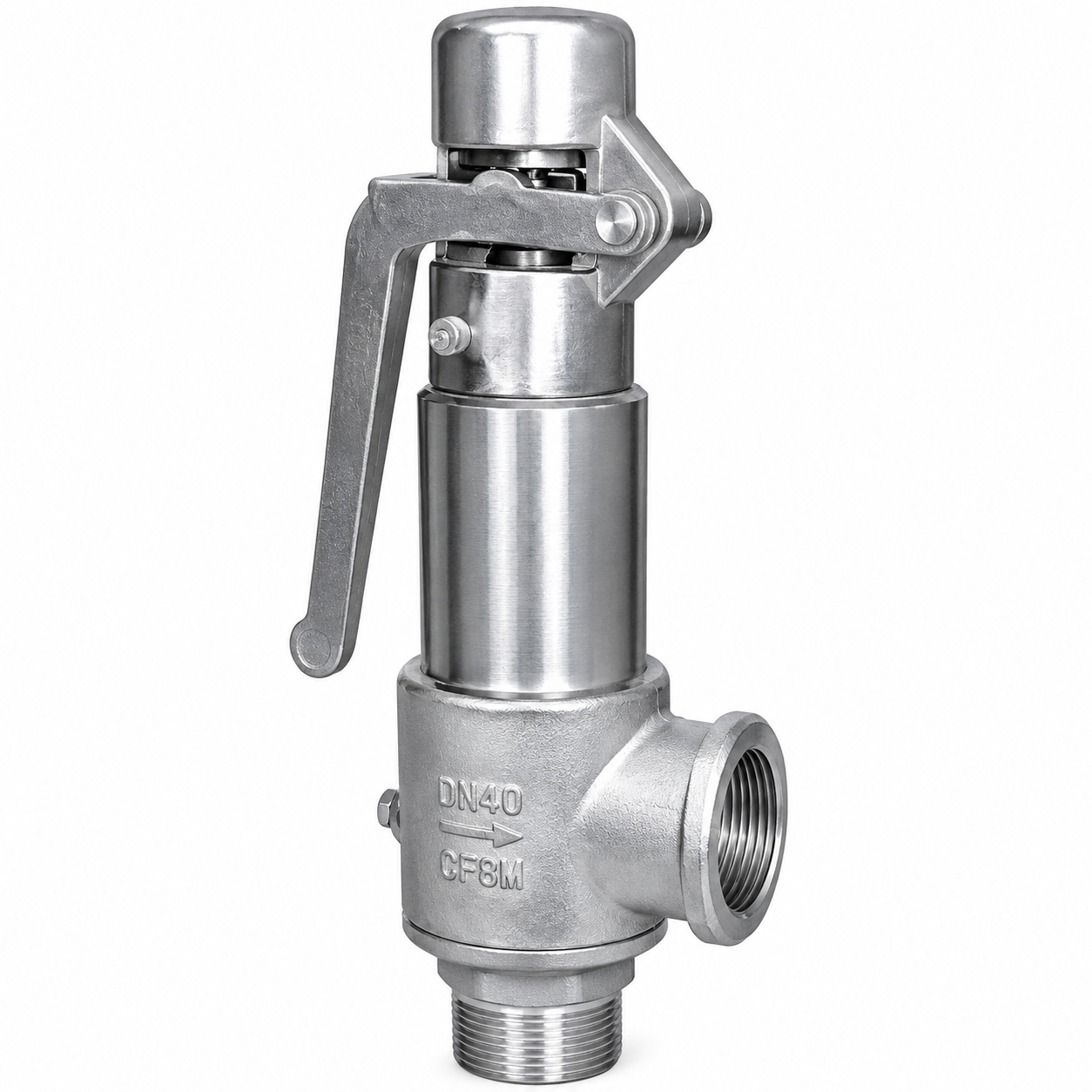
Overview of Safety Relief Valve
A safety relief valve is an automatic pressure protection device used to prevent excessive pressure from damaging industrial equipment and piping systems. It opens when the system pressure reaches a predetermined set point, allowing excess fluid or gas to discharge through a designated outlet.
Once the pressure decreases to an acceptable level, the valve returns towards its closed position, helping the system resume normal operation.
Safety relief valves are commonly used in industries where pressure control is essential for equipment protection and operational safety. They are particularly important in boilers, steam systems, pressure vessels, chemical processing equipment, and industrial pipelines.
Choosing a suitable safety relief valve helps reduce the risk of overpressure-related equipment damage and supports reliable process operations.
What Is a Safety Relief Valve?
A safety relief valve is a pressure-actuated safety device that automatically releases excess pressure from a system when it reaches a specified limit. It is designed to protect pressure-containing equipment from conditions that could otherwise result in equipment failure or unsafe operation.
The valve generally remains closed during normal operating conditions. When the system pressure reaches its predetermined set pressure, the internal mechanism responds and allows the medium to discharge. After the pressure falls to the required level, the valve closes or reseats according to its design characteristics.
Safety relief valves may be designed for different operating media, including gases, vapours, steam, and liquids. The selection of a suitable design depends on the application, required discharge capacity, operating conditions, and relevant engineering standards.
While safety relief valves are designed to protect equipment against excessive pressure, pressure reducing valves are used to maintain a controlled downstream pressure in industrial piping systems
Key Features of Asten Controls Safety Relief Valves
A safety relief valve must deliver dependable performance under the operating conditions for which it is selected. Important product features and selection considerations include:
Accurate Pressure Regulation
The set pressure is an important parameter in safety relief valve selection. It determines the pressure at which the valve is designed to begin its relieving action. Correct sizing, setting, and application-specific selection are essential for effective pressure protection.
Reliable Pressure Protection
Safety relief valves provide an automatic response to overpressure conditions. By releasing excess pressure through a designated discharge path, they help protect connected equipment and pressure-containing systems.
Durable Construction and Material Options
Valve body and internal component materials should be selected according to the operating medium, pressure, temperature, and environmental conditions. Suitable material selection supports durability and long-term service performance.
Consistent Operational Performance
A correctly selected and maintained safety relief valve is designed to operate in response to specified pressure conditions. Proper installation, inspection, testing, and maintenance are important for maintaining its intended performance.
Installation and Maintenance Considerations
Correct installation and accessibility for inspection are essential. Discharge piping, inlet connections, and installation orientation should follow the manufacturer’s instructions and applicable engineering requirements.
Safety Relief Valve Technical Specifications
The technical specifications of a safety relief valve vary according to its design, construction, size, and intended application.
Before selecting a safety relief valve, buyers should review the product datasheet and confirm that the specifications meet the requirements of their pressure system.
| Parameter | Specification |
| Valve Type | Safety Relief Valve |
| Design | Spring Loaded |
| Operation | Automatic |
| Media | Steam, Air, Gas, Water |
| Body Material | Cast Steel / Stainless Steel / Duplex |
| Disc Material | Stainless Steel |
| Spring Material | Spring Steel / Stainless Steel |
| Seat Material | Stainless Steel / PTFE |
| Size Range | 15 NB to 200 NB |
| Inlet Pressure | 1 – 40 kg/cm² |
| Set Pressure | Adjustable as per requirement |
For accurate product selection, customers should share the required valve size, operating pressure, set pressure, temperature, medium, flow capacity, and connection details with the Asten Controls technical team.
Working Principle of Safety Relief Valve
A safety relief valve operates automatically in response to changes in system pressure. Its operating mechanism is designed to open at a predetermined pressure and discharge excess medium to help prevent the system from exceeding its allowable pressure limits.
The exact opening and closing characteristics depend on the valve design and the medium being handled.
Normal Operating Condition
Under normal operating conditions, the system pressure remains below the valve’s set pressure. The internal closing mechanism keeps the valve shut, preventing unnecessary discharge of the process medium.
Pressure Build-Up and Valve Activation
When system pressure increases and reaches the predetermined set pressure, the force acting on the valve’s internal mechanism becomes sufficient to initiate opening.
The valve then allows the process medium to escape through its discharge outlet.
Pressure Release Mechanism
As the valve opens, excess pressure is released from the protected equipment or system. The discharge capacity must be suitable for the anticipated overpressure scenario and the requirements of the application.
Automatic Valve Reset
As system pressure decreases, the valve moves towards its closing position. The pressure at which it reseats depends on its design and operating characteristics.
Correct valve selection and maintenance help ensure that the device performs according to its specified requirements.
Types of Safety Relief Valves
Safety relief valves are available in different designs to suit specific pressure protection requirements. The selection depends on the process medium, operating pressure, temperature, discharge capacity, and installation conditions.
Spring-Loaded Safety Relief Valve
Spring-loaded safety relief valves use a spring mechanism to keep the valve closed under normal operating conditions. When system pressure reaches the specified set pressure, the pressure force overcomes the closing force and the valve opens to release excess medium.
These designs are used in various industrial pressure protection applications.
Conventional Safety Relief Valve
Conventional designs use a direct spring-loaded mechanism. Their operating performance can be influenced by the pressure conditions at the valve outlet, making correct discharge piping design important.
They are selected according to the required application and backpressure conditions.
Balanced Bellows Safety Relief Valve
Balanced bellows designs incorporate a bellows arrangement to reduce the influence of variable backpressure on valve operation. They may be considered for applications where outlet pressure conditions could affect the performance of a conventional design.
Pilot-Operated Safety Relief Valve
Pilot-operated safety relief valves use a pilot mechanism to control the main valve. Depending on the design, they can be suitable for applications requiring specific pressure control characteristics or operating conditions.
The availability of these configurations should be confirmed with the Asten Controls technical team before specifying a particular valve type.
Industrial Applications of Safety Relief Valves
Safety relief valves are used across industries where equipment and process systems operate under pressure. Their purpose is to provide a designated means of relieving excess pressure under specified conditions.
Oil and Gas Industry
Oil and gas facilities use pressure protection devices in processing equipment, pipelines, storage systems, and associated pressure-containing installations. Suitable safety relief valves help protect equipment against overpressure conditions.
Chemical and Petrochemical Plants
Chemical and petrochemical processes may involve pressurised liquids, gases, and vapours. Safety relief valves are selected according to the process medium, operating conditions, and required pressure protection capacity.
Power Generation Plants
Power generation facilities use pressure protection devices in steam and other pressurised systems. Correct valve selection is important for protecting boilers, pressure vessels, and related equipment.
Steam and Boiler Systems
Steam systems require appropriate pressure protection to help prevent pressure from exceeding the permissible operating limits of boilers and connected equipment. Safety and relief valve selection must comply with the applicable boiler and pressure equipment requirements.
Pharmaceutical and Process Industries
Process industries may use pressure relief devices in vessels, reactors, and other pressurised equipment. Material compatibility, process conditions, and hygiene or contamination considerations may influence product selection.
Manufacturing and Industrial Processing
Industrial manufacturing facilities use pressurised equipment and utility systems for different production activities. Suitable pressure protection devices help support safe and reliable plant operations.
Safety relief valves are relevant to pressure protection requirements across industries such as oil and gas, chemical processing, power generation and manufacturing. Explore our industrial valve solutions for chemical processing to understand the role of valve selection in process applications.
Safety Relief Valve Manufacturer and Supplier in India
Choosing an experienced safety relief valve manufacturer and supplier is important for identifying a product that matches your equipment and process requirements.
Asten Controls offers industrial valve solutions for customers looking for suitable pressure control and protection products. Product selection should be based on the intended application, operating medium, pressure and temperature conditions, connection requirements, and relevant technical specifications.
Quality-Focused Valve Solutions
Product quality and suitability are important considerations when selecting pressure protection equipment. Customers should review the available technical documentation, material details, inspection requirements, and applicable product standards before finalising their selection.
Product Selection and Technical Assistance
Selecting a safety relief valve requires more than choosing a nominal size. Factors such as set pressure, required discharge capacity, backpressure, process medium, and installation conditions should be evaluated.
The Asten Controls team can assist with product-related enquiries and technical information based on the requirements shared by customers.
Industrial Supply and Customer Support
For industrial buyers, access to accurate product information and responsive enquiry support can simplify the procurement process. Asten Controls supports customers seeking industrial valve solutions for their specific operating requirements.
Contact the team to discuss your safety relief valve requirements and available product configurations.
How to Select the Right Industrial Safety Relief Valve?
Selecting the right safety relief valve is essential for effective pressure protection. The valve must be suitable for the equipment, process medium, and anticipated operating conditions.
Operating Pressure and Set Pressure
Identify the normal operating pressure, maximum allowable working pressure, and required valve set pressure. The set pressure must be determined in accordance with the protected equipment’s design and applicable requirements.
Required Flow Capacity
The valve must have sufficient relieving capacity for the relevant overpressure scenario. Sizing calculations should consider the process medium, pressure, temperature, and credible relief conditions.
Fluid or Gas Characteristics
The properties of the process medium can influence valve selection. Consider whether the valve will handle liquid, gas, vapour, or steam, along with any relevant chemical or physical characteristics.
Material Compatibility
Valve body, trim, and sealing materials should be compatible with the process medium and operating environment. Corrosion resistance, temperature limits, and mechanical requirements should be evaluated.
Temperature and Operating Conditions
Consider the minimum and maximum operating temperatures, pressure fluctuations, backpressure, and installation environment. These factors can influence the suitable valve design and material selection.
For critical pressure protection applications, valve sizing and selection should be carried out or verified by qualified engineering professionals.
Before selecting a safety relief valve, evaluate the required set pressure, operating pressure, maximum allowable working pressure, process medium, temperature and discharge requirements. You can also explore our wider range of industrial valve products for other process and flow-control applications.
Safety Relief Valve vs Pressure Relief Valve
The terms safety relief valve and pressure relief valve are related, but they may refer to different designs or applications depending on the engineering context and applicable standards.
A pressure relief valve is a broad term for a device that releases excess pressure from a pressurised system. A safety valve is generally associated with applications involving compressible fluids, such as steam or gas, and may have specific opening characteristics. A safety relief valve may combine characteristics suitable for handling different process media, depending on its design.
The correct terminology and valve type should always be confirmed against the relevant product standard, equipment requirements, and application.
When selecting a valve, buyers should consider the process medium, required set pressure, relieving capacity, backpressure, and applicable design code rather than relying only on the product name.
Why Choose Asten Controls for Safety Relief Valves?
Selecting the right industrial valve supplier is an important part of equipment procurement and pressure system planning. Asten Controls aims to support customers looking for suitable industrial valve solutions through product information and enquiry assistance.
Reasons to consider Asten Controls include:
- Industrial valve product solutions for different application requirements.
- Product information to support technical evaluation and selection.
- Assistance with enquiries related to valve size, materials, pressure ratings, and connections.
- Support for customers evaluating industrial pressure protection requirements.
- Product-focused assistance for industrial buyers and procurement teams.
For product availability, confirmed specifications, and application suitability, contact Asten Controls directly.
Frequently Asked Questions About Safety Relief Valves
What is the main purpose of a safety relief valve?
The main purpose of a safety relief valve is to protect pressure-containing equipment and systems from excessive pressure. It opens at a predetermined pressure to discharge excess medium and helps prevent pressure from exceeding specified limits.
How does a safety relief valve work?
A safety relief valve remains closed under normal operating conditions. When system pressure reaches its specified set pressure, the valve opens and releases excess medium. It moves towards its closed position when pressure decreases according to its design characteristics.
What is the difference between a safety valve and a relief valve?
A safety valve is generally associated with compressible fluids such as steam and gases, while a relief valve is commonly associated with liquid applications. A safety relief valve may be designed for applications involving different types of media. The exact distinction depends on the applicable engineering standard and valve design.
Where are safety relief valves commonly used?
Safety relief valves are used in oil and gas facilities, chemical plants, power generation units, boilers, steam systems, pressure vessels, and various industrial processing applications.
How do I select the correct safety relief valve?
Selection depends on operating pressure, set pressure, required discharge capacity, process medium, temperature, material compatibility, backpressure, and applicable industry standards. Qualified engineering evaluation is recommended for critical applications.
How often should a safety relief valve be inspected?
Inspection and testing frequency depend on the valve design, application, operating environment, equipment requirements, applicable regulations, and maintenance programme. Follow the manufacturer’s recommendations and relevant industry requirements.
Where can I find a safety relief valve manufacturer and supplier in India?
Asten Controls offers industrial valve solutions and product enquiry assistance. Contact the company with your application details to discuss suitable safety relief valve options and confirmed technical specifications.
Contact Asten Controls for Safety Relief Valve Requirements
Looking for a reliable safety relief valve manufacturer for your industrial application?
Connect with Asten Controls to discuss your product requirements, technical specifications, valve configuration, and industrial supply enquiries. Share your operating pressure, set pressure, valve size, process medium, temperature, and connection details to help the team understand your application.
Contact Asten Controls today to enquire about safety relief valves for your industrial requirements.


